
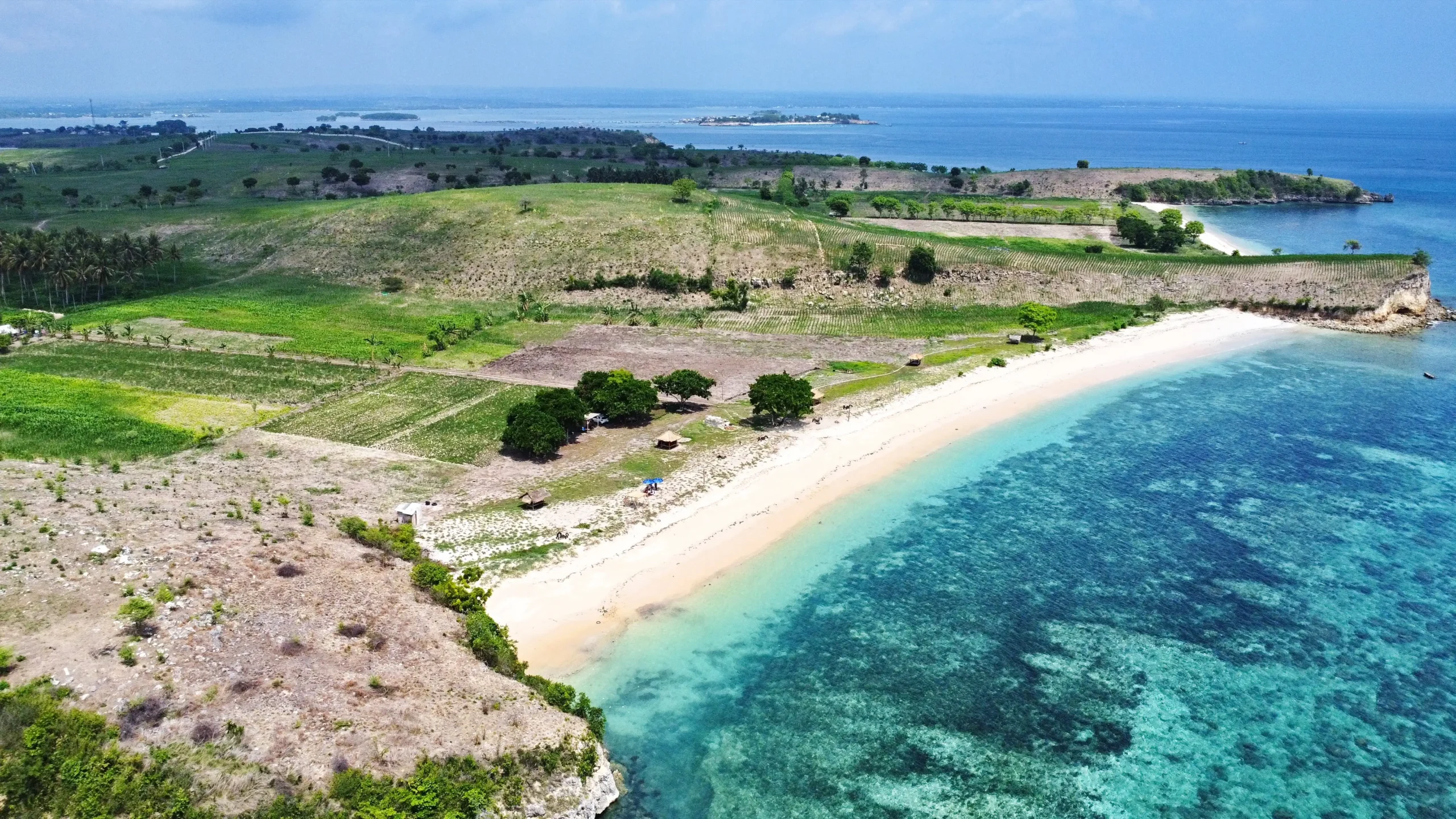
Bali Land Inspection Checklist: What to Check Besides the Title
| Key Takeaways | |
|---|---|
| Best for | Buyers and investors looking at a plot of land in Bali or Lombok |
| The six checks | Access, water, electricity, shape and drainage, boundaries and neighbours, and the surrounding area |
| Why it matters | A clean title does not tell you whether the land can actually be built on, reached, or lived on comfortably |
| Where it ends | Title and zoning must still be verified by a licensed notary |
A solid Bali land inspection checklist covers more than the certificate. A clean title tells you who owns the land. It does not tell you whether a truck can reach it, whether the water runs in the dry season, or whether the plot floods every wet season. This guide walks through the six things to check on the ground, in the order we usually do it with our clients.
Why a Bali Land Inspection Checklist Goes Beyond the Title
The title and the land itself are two separate questions. The legal side is covered in our Bali property due diligence checklist, which explains the document checks your notary handles. This page covers the physical side: what you can see, test and ask about when you stand on the plot.
We have walked a lot of land with buyers over more than 20 years. The problems that cost people the most are rarely hidden in the paperwork. They are usually visible on a site visit if you know what to look for. Go in the morning and again in the afternoon if you can, and ideally visit at least once after heavy rain.
1. Access: Can You Actually Get There?
Start at the road, not the plot. Drive the full route from the main road to the boundary and note how wide the lane is, what the surface is like, and whether two vehicles can pass. A plot that looks perfect on a map can sit at the end of a narrow footpath that a construction truck will never get down.
Then ask who owns the access. Is it a public road, or a private strip across someone else’s land? Legal road access should be documented, not just tolerated by a neighbour, because it affects permits and resale.
Takeaway: Walk or drive the whole route, and confirm in writing that the access is legal and permanent.
2. Water: Check the Supply Before You Fall for the View
Ask where the water comes from. Options usually include a municipal connection, a bore well, or a delivered supply, and each has different costs and risks. If the plan is a well, ask neighbours how deep they had to drill and whether their supply drops in the dry season.
If a connection exists nearby but not on the plot, ask what it would take to bring it in and who pays. A villa project with a pool and several bathrooms needs a reliable supply, so settle this early.
Takeaway: Confirm the water source, ask the neighbours how it performs in the dry season, and price the connection.
3. Electricity: Is the Power Already There?
Look for the nearest power pole and ask the neighbours how reliable the supply is. Bringing power to a plot that is far from the existing network can add real cost, and the process can take time.
Also ask what capacity is realistic for your plans. A small home and a villa with air conditioning, a pool pump and a kitchen have very different needs, and upgrading later is more expensive than planning for it now.
Takeaway: Find the nearest supply point, check the capacity you will need, and ask what connecting would cost.
4. Shape and Drainage: Read the Land Itself
Stand on the plot and look at how it sits. A flat, regular shape is easy to build on. A steep, narrow or oddly shaped plot can look cheap and then cost far more to develop, because you pay for retaining walls, earthworks and a design that works around the shape.
Drainage is the part people skip. Ask where the water goes when it rains. Is the plot higher or lower than the road and the land around it? Look for stains on neighbouring walls, standing water, and low corners. If you can only visit in the dry season, ask neighbours about the wet season directly.
Takeaway: Check the shape for buildable area, and find out where the rain water goes before you commit.
5. Boundaries and Neighbours: Know Exactly What You Are Buying
Ask the seller to show you the boundary markers on the ground and compare them with the certificate plan. The area you can see should match the area on paper. If the markers are missing, or the fences and walls do not line up with the documents, have the plot measured before you go further.
Talk to the neighbours as well. They can tell you about boundary disputes, shared paths, local ceremonies that use the area, and how long the seller has really held the land. A short conversation on site often tells you more than a stack of documents.
Takeaway: Match the markers on the ground to the certificate plan, and speak to the people next door.
6. The Area Around It: Today and in Five Years
The plot is only one part of the picture. Look at what surrounds it today: noise, traffic, construction, farms, temples, and the general feel of the lane. Then think about what could change. A quiet rice field view is not guaranteed if the land in front of you can be built on.
Check how far you are from the things you will need, such as shops, clinics, schools, the beach and the airport. For a rental investment, also think about how guests will actually reach the property and what they will see when they arrive.
Takeaway: Judge the neighbourhood as it is today, and ask what could be built around you later.
Buying Land in Lombok: The Same Checks Apply
Interest in Lombok has grown a lot, and we now help clients with land there as well as in Bali. The six physical checks above work in exactly the same way. Access, water, power, drainage, boundaries and the surrounding area are what decide whether a plot is usable, wherever it is.
The ownership options for foreigners follow Indonesian national law, so the structures are the same as in Bali. You can read how they work in our guide to whether a foreigner can buy property in Bali. Zoning and permit rules are set at the regional level, though, so do not assume that what applies in Bali applies in Lombok. Have the zoning of any Lombok plot checked locally before you make an offer.
Lombok also tends to have more undeveloped land, which means access, water and power are often the biggest questions. Give those three extra attention on any site visit.
Where the Site Visit Ends and the Legal Checks Begin
Everything above is what you can check yourself. It does not replace the legal work. Once a plot passes your inspection, the next step is verifying the title, the zoning and the history of the land through a licensed notary.
You can look up land and spatial planning information through the government’s Gistaru spatial planning portal, and general information on certificates and registration is available from the National Land Agency (ATR/BPN). Our guide to land zoning in Bali explains how zones affect what you can build, and our article on verifying Bali property ownership documents covers what your notary will check.
If you are still earlier in the process, our ultimate guide to buying land in Bali is the best place to start.
Looking at Land in Bali or Lombok?
If you would like a second pair of eyes on a plot, or help finding land that passes these checks, our team is happy to talk it through with no obligation.
Contact Siska: +62 815-5749-228
Email: info@excelbali.com
Website: excelbali.com
We are a real estate agency, not legal advisors. Always have title and zoning checked by a licensed notary.
Frequently Asked Questions
What should I check on a plot of land in Bali besides the title?
Check six things on site: legal road access, water supply, electricity, the shape and drainage of the plot, the boundaries and neighbours, and the surrounding area. These decide whether the land can actually be built on and lived on, which the title alone does not show.
How do I check if a plot of land floods?
Look at whether the plot sits lower than the road and neighbouring land, check for standing water and stains on nearby walls, and ask the neighbours what happens in heavy rain. If possible, visit the plot after a wet-season downpour.
Do the same land checks apply in Lombok?
Yes. The physical checks are the same. Foreign ownership options follow Indonesian national law, but zoning and permit rules are regional, so a Lombok plot needs its own zoning check before you buy.
Who should verify the title and zoning of a plot?
A licensed notary. A site inspection and your agent’s advice are useful, but title and zoning must be checked by a licensed notary before you pay a deposit or sign anything.